Live Dealer vs RNG Dragon Tiger Tables, Dragon Tiger
A practical guide to live dealer vs rng dragon tiger tables for dragon tiger: the steps, the limits and the common mistakes.
What is Live Dealer vs RNG Dragon Tiger Tables?
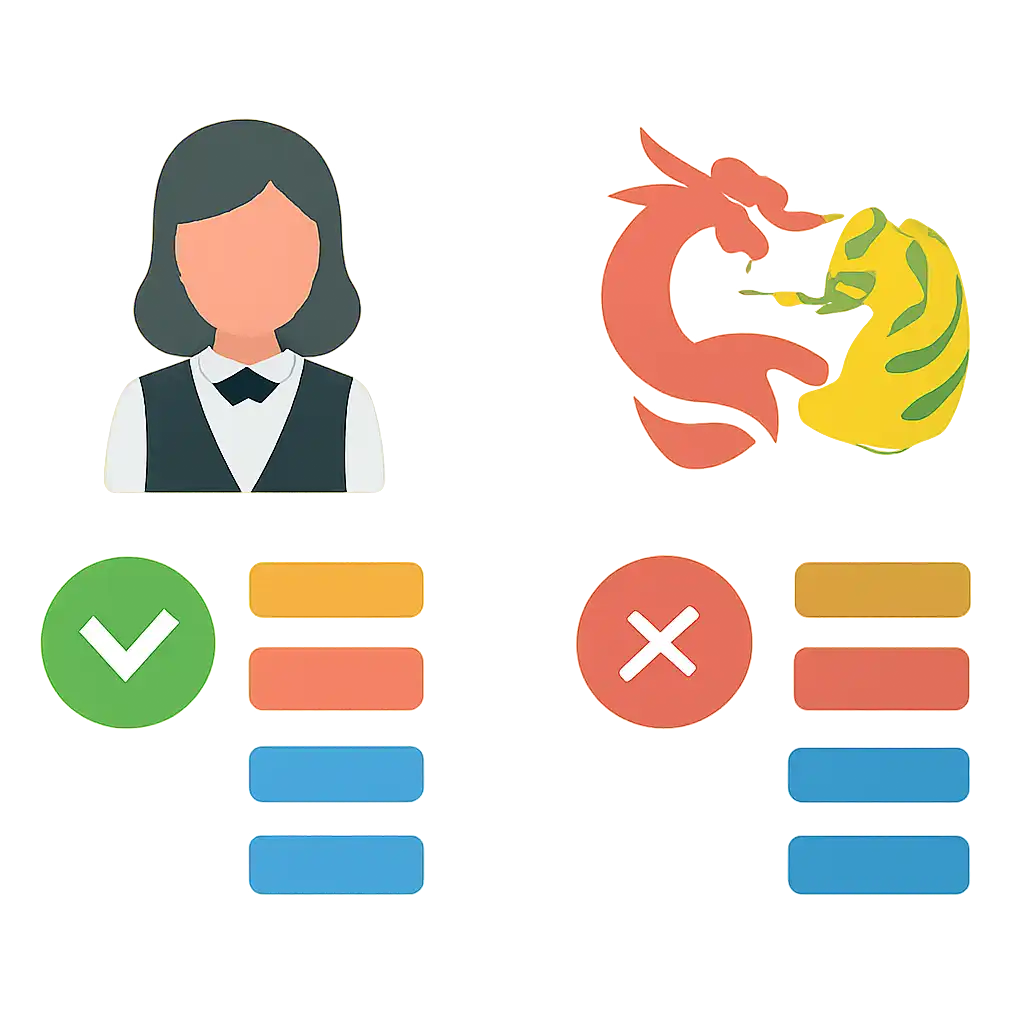
Dragon Tiger is one of the fastest card games available at Indian online casinos, and it comes in two distinct formats: Live Dealer Dragon Tiger and RNG (Random Number Generator) Dragon Tiger. In a live dealer game, a real human dealer streams from a professional studio in real time, physically drawing cards from a shoe and placing them on the Dragon and Tiger spots while you watch via HD video. In an RNG game, a certified algorithm simulates every card draw instantly the moment you click "Deal", no dealer, no camera, no waiting.
Both formats follow identical Dragon Tiger rules: one card is dealt to Dragon, one to Tiger, and the higher card wins. Common side bets such as Tie, Suited Tie, and Big/Small are available in both. What separates them is atmosphere, pace, social interaction, and the technology generating each outcome. Live dealer tables are driven by physical decks overseen by a pit boss; RNG tables are powered by software certified by independent labs such as eCOGRA or iTech Labs to guarantee true statistical randomness on every hand.

Choosing between the two formats comes down to what you value most. If you want the tension of a real shuffle, live chat, and authentic casino ambience, live dealer is your game. If you prefer playing at your own speed, using demo mode to practise, or grinding through hands quickly, RNG Dragon Tiger is the better fit.
Live Dealer vs RNG Dragon Tiger Tables tips from experienced players
Experienced Dragon Tiger players in India treat the two formats as separate disciplines that require different approaches. On live tables, veteran players watch the shoe carefully, because physical decks are used across multiple hands before reshuffling, tracking the distribution of high and low cards can inform bet sizing. Reading the bead-plate and big-road scorecards displayed on Evolution Gaming and Ezugi tables helps you identify streaks worth following or opposing.

On RNG tables, the priority shifts to bankroll discipline and RTP verification. Because RNG Dragon Tiger can process 200 rounds in under ten minutes, session losses accumulate far faster than on a live table with fixed betting windows. Always open the in-game "?" panel to confirm the certified RTP before wagering real money, two RNG titles labelled identically can have meaningfully different returns depending on the developer. Use demo mode freely; it is unavailable on live tables but standard on virtually every RNG variant.
One tip that applies equally to both formats: avoid the Tie side bet as a core strategy. Its house edge sits around 32% in most implementations, making it one of the worst recurring bets in any card game. Stick to the Dragon or Tiger main bet, which carries a house edge of roughly 3.73%, and treat Tie as an occasional flutter rather than a planned wager.
Common Live Dealer vs RNG Dragon Tiger Tables questions
Is one format fairer than the other? Neither format has an inherent fairness advantage when you play at a licensed casino. Live dealer outcomes depend on physical card shuffles monitored by cameras and regulatory auditors. RNG outcomes depend on certified algorithms that are independently tested for randomness. Both are subject to licensing oversight, look for sites holding a Malta Gaming Authority, Curacao, or Sikkim/Nagaland licence for Indian-facing platforms.

Can I use the same betting strategy on both? Flat betting and simple positive-progression systems such as Paroli work on both formats. However, card-tracking approaches that rely on shoe penetration only apply to live dealer games, since RNG tables reshuffle the virtual deck after every single hand. Card counting is ineffective and unnecessary on RNG Dragon Tiger.
Do welcome bonuses apply equally? Not always. At most Indian online casinos, live dealer Dragon Tiger wagers contribute between 10% and 20% toward bonus wagering requirements, while RNG Dragon Tiger may contribute up to 100%. Always read the bonus terms before deciding which format to use while clearing a promotion, RNG is usually the faster route to meeting playthrough conditions.
How Live Dealer vs RNG Dragon Tiger Tables works
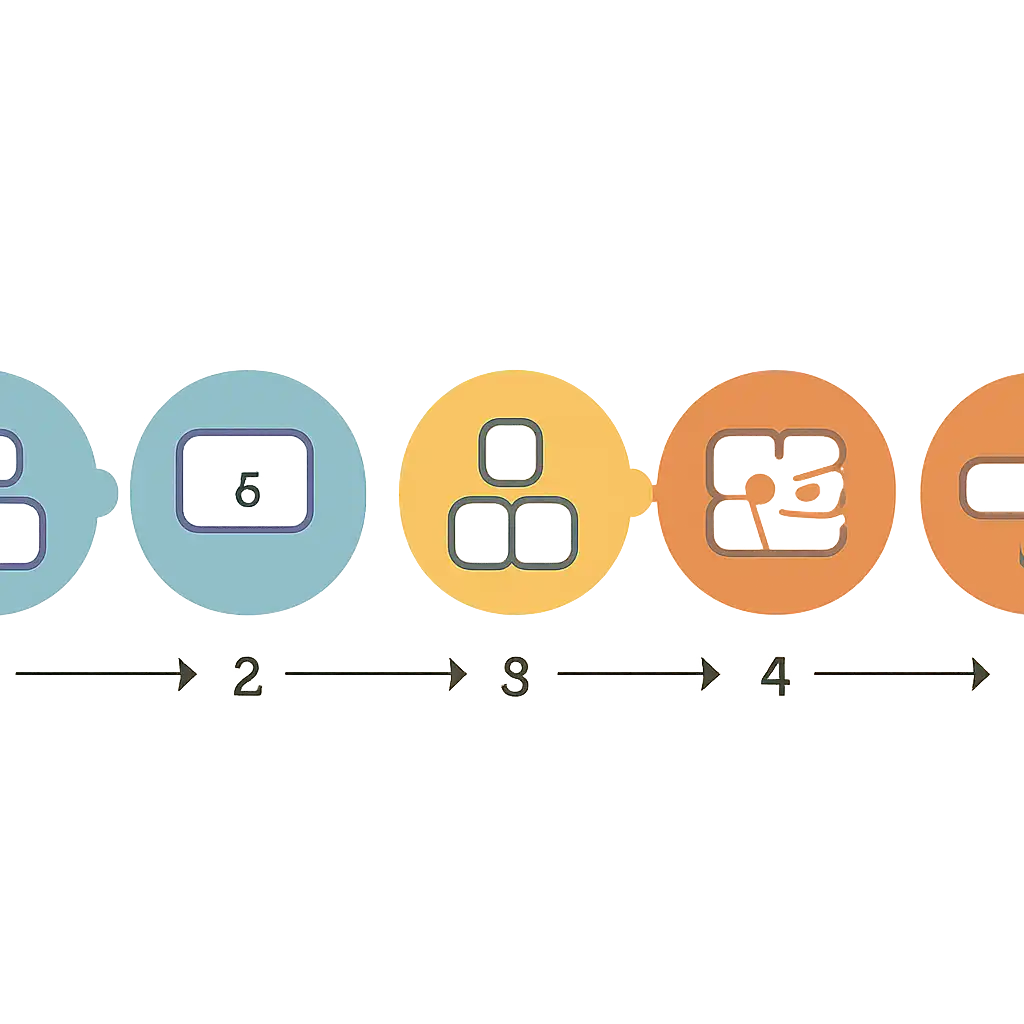
Understanding the mechanics of each format makes you a more informed player. Here is a step-by-step look at how a round unfolds in each version:
- Choose your table. On a live dealer lobby, select a table by bet limit and dealer language (Hindi-speaking dealers are available on several India-focused platforms). On RNG, launch the game client directly from the casino lobby.
- Place your bet. Drag chips onto Dragon, Tiger, or any side-bet position. Live tables display a countdown timer, typically 12 to 20 seconds, after which betting closes. RNG tables accept bets at any time.
- Cards are drawn. On live tables, the dealer physically removes one card for Dragon and one for Tiger from the shoe. On RNG tables, the software generates two virtual card values using its certified algorithm the instant you confirm your bet.
- Winner is determined. The higher card wins. Aces are low in Dragon Tiger; King is the highest card. A tie results in a push on main bets (or a win on the Tie side bet).
- Winnings are paid. Successful Dragon or Tiger bets pay 1:1 minus a 5% commission on some platforms, or an even 1:1 with a half-loss rule on tied hands on others. Review the specific paytable before you sit down.
On live tables, the shoe is typically reshuffled when penetration reaches approximately 50 to 60%, meaning several dozen hands play before a fresh shuffle. On RNG tables, every deal is mathematically independent, previous results have zero influence on the next hand.